Nobody Actually Cares About Your Watchlist: A Field Taxonomy of Invented Internet Struggles
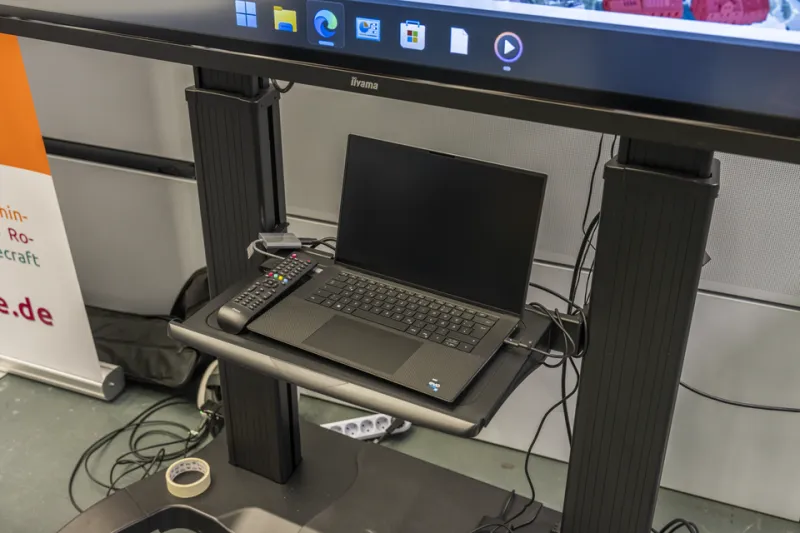
Photo: PantheraLeo1359531, CC BY 4.0, via Wikimedia Commons
Every era of technology invents its own suffering. The telegram era gave us the anxiety of the delayed reply. The answering machine gave us the dreaded blinking light. And our era — the always-online, everything-streaming, algorithmically-curated era — has given us something genuinely special: a whole catalog of problems that cannot physically harm us, do not exist offline, and yet take up an absurd amount of our emotional bandwidth.
I'm calling them invented struggles, and I've spent an embarrassing amount of time cataloging them. What follows is a taxonomy, a ranking, and eventually a theory. Bear with me.
Tier One: The Trivial (But Relatable)
Watchlist Paralysis. The streaming queue as a to-do list you resent. Hundreds of titles, none watched, the guilt compounding monthly at $15.99 a pop. Severity: low. Universality: total.
Queue Shaming. The competitive cousin — "my watchlist is longer than yours" — a humblebrag that treats unfinished entertainment as a personality. Bonus points for mentioning you "don't even watch TV anymore" while maintaining a 400-item list.
The Open Tab Debt. Four hundred browser tabs, each one a small promise you've made to your future self. This one predates streaming and might be the ur-example of the genre.
Tier Two: The Performative
Spoiler Panic. A genuinely modern condition: the fear of information itself. People have avoided the entire internet for days to protect a plot point. There's something almost religious about it — information as contamination.
The Performative Departure. "Deleting this app, my DMs are open." Everyone knows the person will be back in eleven days. The announcement is the point. It's a resignation letter addressed to people who weren't your boss.
Algorithm Distrust as Identity. "I don't let the algorithm tell me what to listen to" — usually posted from a platform whose entire architecture is the algorithm, often by someone who found the song they're quoting through it. The algorithm is our era's version of blaming the weather: a faceless force responsible for all taste and all its failures.
Tier Three: The ones That Are Actually About Something
Here's where it gets interesting, because the ranking gets serious and so does the diagnosis.
Notification Guilt. The badge count as a moral ledger. Unread messages as debts. This one hurts because it's real — the invented part is the obligation, not the messages. Someone did text you. The invention is the idea that you owe an instant reply to every human who thinks of you.
FOMO's Bureaucratic Cousin: Archive Anxiety. The terror of missing a limited drop, a limited run, a show that will be "removed from the platform." Scarcity was supposed to die with the digital age — everything copyable, forever — and yet platforms reinvented it on purpose. The anxiety isn't invented. The scarcity is.
So What Are These Actually About?
Here's my theory, and it's the reason I bothered writing this: invented struggles are how we talk about real feelings we don't have better language for.
Watchlist guilt isn't about movies. It's about the gap between the person we plan to be and the person we are at 9 p.m. on a Tuesday. Algorithm distrust isn't about recommendation engines — it's about the uncomfortable knowledge that our tastes are being shaped by systems we don't understand, and the ego protection of insisting otherwise. The performative quit isn't about the platform. It's about wanting a reason to be missed.
The historian in me (and this site's resident internet-history enjoyer) notes that this is old behavior wearing new clothes. Victorian letter-writers agonized over the proper delay before replying — too fast seemed desperate, too slow seemed rude. We just moved the same neurosis to a read receipt.
The difference, I think, is scale. Our grandparents had maybe three or four of these ambient anxieties. We've industrialized them. Every platform is a factory producing a bespoke dilemma: the streak you can't break, the ratio you fear, the feed that knows you too well.
The Verdict
If I had to rank the whole taxonomy by what it reveals: the trivial stuff (tabs, queues) tells you we're overwhelmed by choice. The performative stuff (quits, humblebrags) tells you we're starved for witnesses. And the serious stuff (notification guilt, archive anxiety) tells you that we've built systems that manufacture urgency to keep us engaged, then blamed ourselves for feeling urgent.
The invented problems aren't fake, exactly. The problems are fake. The feelings are a census.
Now if you'll excuse me, I have 347 unread emails, a watchlist I need to feel bad about, and a strongly worded post to draft about leaving a platform I'll be back on by Thursday.